

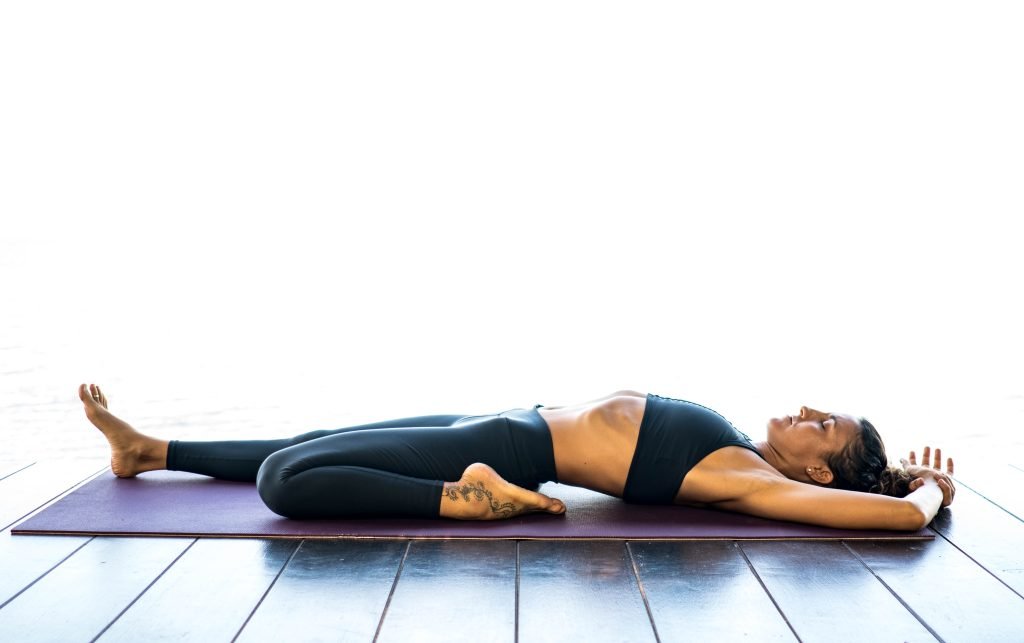
In today’s fast-paced world, it is not surprising that many people in Singapore find themselves overwhelmed by stress and constant mental activity. The practice of yin yoga offers a gentle yet deeply effective way to restore calm and emotional balance. Unlike dynamic styles of yoga that focus on movement and sweat, yin yoga emphasises stillness, mindfulness, and long-held poses that nurture both the body and the mind.
Understanding the Connection Between Yin Yoga and Emotions
Everyday pressures often leave us feeling drained, restless, or anxious. Yin yoga targets not only the physical body but also the nervous system. By holding poses for extended periods, practitioners activate the parasympathetic nervous system, which is responsible for rest and relaxation. This slows the heart rate, reduces cortisol levels, and helps to ease the emotional weight many carry daily.
The emotional release experienced in yin yoga is unique because the practice encourages stillness. In this stillness, unresolved stress often surfaces and then naturally dissolves, leading to a greater sense of balance and inner clarity.
Why Emotional Health Matters in Singapore’s Busy Lifestyle
The culture of long working hours, packed schedules, and constant digital connectivity makes emotional wellbeing a growing concern. Anxiety, burnout, and stress-related conditions are increasingly common. Many are searching for practices that go beyond physical exercise, offering true emotional grounding. Yin yoga serves this need by creating a space where stillness becomes therapeutic, supporting overall mental resilience.
The Science of Stress Relief in Yin Yoga
The effectiveness of yin yoga in stress management is supported by modern science. When the body is allowed to remain in a relaxed state for a prolonged period, several physiological changes take place:
-
Reduced cortisol production: High stress levels often elevate cortisol, the stress hormone. Yin yoga helps bring these levels down.
-
Enhanced vagal tone: Long, steady breathing stimulates the vagus nerve, improving emotional regulation.
-
Improved neuroplasticity: Regular mindfulness practices, such as yin yoga, strengthen brain pathways linked to calmness and clarity.
These scientific insights help explain why so many practitioners report feeling emotionally lighter after just one session.
Poses That Support Emotional Healing
While every yin yoga pose contributes to emotional health, some are particularly effective in releasing tension and promoting calm:
-
Butterfly Pose: Encourages introspection and helps ease mental fatigue.
-
Dragonfly Pose: Supports the release of tightness in the hips, an area often associated with stored emotions.
-
Caterpillar Pose: Promotes deep relaxation and a gentle inward focus.
-
Supported Child’s Pose: Creates a feeling of safety and nurtures emotional grounding.
Practising these poses mindfully, with slow breathing, allows emotional release to occur naturally.
Mindfulness and Breath as Emotional Anchors
In yin yoga, the breath is not simply an automatic function. It becomes a conscious tool for healing. Slow, steady breathing calms the nervous system and brings awareness to the present moment. When combined with long-held poses, it helps practitioners observe emotions without judgment. This process teaches resilience by showing that even difficult feelings can be observed, accepted, and eventually released.
Yin Yoga as a Complement to Therapy and Counselling
While yin yoga is not a substitute for professional mental health support, it complements therapy beautifully. Counsellors often recommend mindfulness and breathing practices to reduce stress and anxiety. Yin yoga naturally integrates both, making it an excellent lifestyle support for those seeking emotional balance. The combination of physical stillness, mindful observation, and emotional release can accelerate personal growth.
Building an Emotionally Healing Practice at Home
One of the strengths of yin yoga is its accessibility. It does not require expensive equipment or advanced physical ability. At home, a simple mat, a few cushions, and a quiet space are enough to begin. Consistency is key, so setting aside 20 to 30 minutes a few times a week can make a remarkable difference in emotional stability. Soft lighting, soothing music, or essential oils can further enhance the calming atmosphere.
The Role of Community in Emotional Healing
Although yin yoga can be practised alone, group sessions create a powerful sense of support. Practising with others reminds us that we are not alone in our emotional journey. Shared silence and stillness can feel deeply comforting, building a sense of community that extends beyond the studio. Studios like Yoga Edition foster this supportive environment, helping individuals reconnect with themselves and others through mindful practice.
Integrating Yin Yoga Into a Holistic Lifestyle
Yin yoga works best when integrated into a balanced lifestyle. Combined with healthy eating, regular sleep, and mindful breaks from technology, yin yoga strengthens emotional resilience. It teaches that slowing down is not a weakness but a conscious choice to protect emotional health. This lesson is particularly valuable in Singapore’s fast-moving urban culture.
Frequently Asked Questions
Is yin yoga suitable for people who have never tried yoga before?
Yes. Yin yoga is accessible for beginners since the poses are gentle, supported, and held for longer durations. The focus is on comfort and stillness rather than flexibility or strength.
How often should I practise yin yoga to notice emotional benefits?
Even one session per week can bring noticeable calm, but practising two to three times weekly tends to offer more consistent emotional balance.
Can yin yoga help with sleep problems caused by stress?
Yes, yin yoga encourages relaxation of both the body and mind. Many practitioners report falling asleep more easily and enjoying deeper rest after regular practice.
Is it normal to feel emotional during yin yoga?
Absolutely. Because yin yoga often releases stored tension from the hips and chest, emotions may arise unexpectedly. This is a natural part of the healing process and can feel liberating.
What is the difference between yin yoga and meditation for emotional balance?
While both focus on mindfulness, yin yoga combines meditation with physical postures that target connective tissues. This physical component makes it more accessible to those who find still meditation difficult.

Comments are closed.