

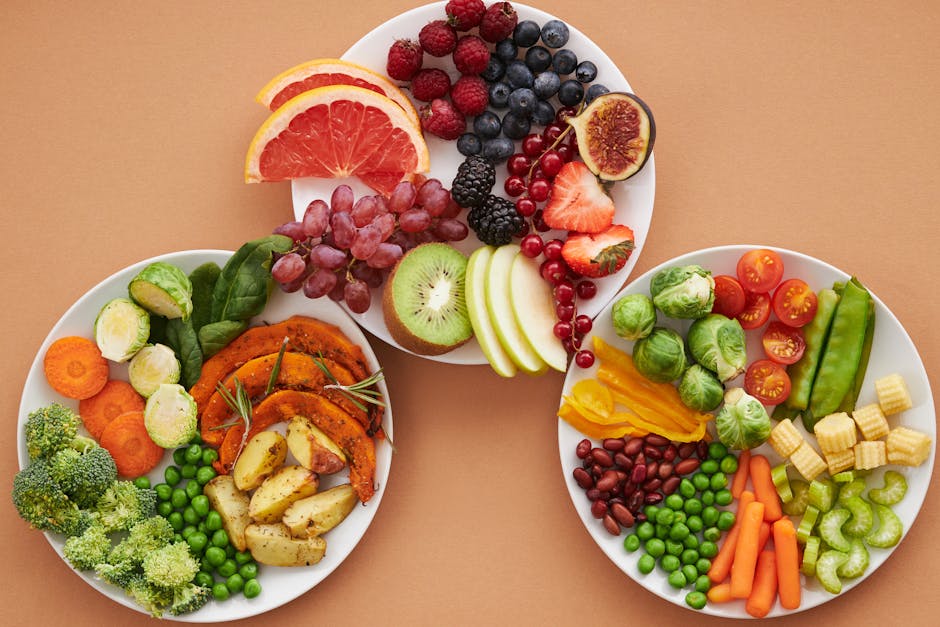
Proper nutrition serves as the foundation for physical vitality, mental clarity, and long-term disease prevention. In a world saturated with fad diets, quick fixes, and conflicting nutritional advice, establishing a sustainable, balanced approach to eating can feel overwhelming. True health does not stem from extreme restriction or temporary dietary trends. Instead, it relies on consistent, science-backed habits that nourish your body at a cellular level.
This comprehensive guide breaks down the essential principles of dietary health. By understanding how to balance macronutrients, select nutrient-dense foods, maintain adequate hydration, and build mindful eating practices, you can create a personalized nutrition strategy that fits your lifestyle and supports lasting wellness.
Understanding the Foundations of Nutrition
To build a healthier diet, you must first understand the primary components that drive bodily functions. Human nutrition relies on a combination of macronutrients, which provide energy, and micronutrients, which regulate biological processes.
Balancing Your Macronutrients
Macronutrients are the nutrients your body needs in large amounts: carbohydrates, proteins, and fats. A healthy diet does not eliminate any of these groups; rather, it focuses on quality and balance.
-
Carbohydrates: Carbohydrates are your body’s primary energy source. Focus on complex carbohydrates such as whole grains, quinoa, oats, sweet potatoes, and legumes. These foods contain fiber, which slows digestion, stabilizes blood sugar levels, and keeps you feeling full longer. Limit refined carbohydrates like white bread, sugary pastries, and processed snacks, which cause rapid spikes and crashes in energy.
-
Proteins: Protein provides the essential amino acids needed to build and repair muscle tissue, synthesize enzymes, and support immune function. Incorporate diverse protein sources into your meals, including lean meats, poultry, fish, eggs, tofu, tempeh, beans, and lentils. Aim to include a palm-sized portion of protein with every main meal.
-
Healthy Fats: Dietary fat is crucial for brain function, hormone production, and the absorption of fat-soluble vitamins like vitamins A, D, E, and K. Prioritize unsaturated fats found in avocados, extra virgin olive oil, nuts, seeds, and fatty fish like salmon and mackerel. Minimize trans fats and reduce excessive saturated fats found in fried foods and highly processed meats.
Prioritizing Micronutrients and Fiber
While macronutrients deliver energy, micronutrients—comprising essential vitamins and minerals—enable your body to process that energy and maintain metabolic health. A colorful array of fruits and vegetables guarantees a broad spectrum of antioxidants, such as vitamin C, vitamin A, and polyphenols, which combat cellular inflammation.
Fiber is another vital component often lacking in modern diets. Dietary fiber supports gut health by feeding beneficial gut bacteria, promoting regular bowel movements, and helping manage cholesterol levels. Aim for at least 25 to 30 grams of fiber daily through vegetables, fruits, whole grains, seeds, and legumes.
Practical Daily Strategies for Better Nutrition
Translating nutritional knowledge into everyday habits requires intentional planning and simple behavioral adjustments. Here are core strategies to help you optimize your daily food intake.
Build a Balanced Plate
A simple way to ensure proper portion control and nutrition without counting calories is the plate method. Divide your plate into three functional sections during major meals:
-
Fill half your plate with non-starchy vegetables such as spinach, broccoli, bell peppers, asparagus, or leafy greens.
-
Fill one-quarter of your plate with lean protein sources like grilled chicken, salmon, eggs, or lentils.
-
Fill one-quarter of your plate with complex carbohydrates like brown rice, quinoa, or roasted root vegetables.
-
Add a small portion of healthy fats, such as a tablespoon of olive oil dressing, a quarter of an avocado, or a sprinkle of seeds.
Focus on Whole, Unprocessed Foods
Ultra-processed foods are typically engineered to be hyper-palatable, combining high amounts of refined sugar, unhealthy fats, and sodium while offering little to no nutritional value. Base the majority of your diet on single-ingredient, minimally processed foods. A simple rule of thumb when grocery shopping is to spend most of your time around the perimeter of the store, where fresh produce, lean proteins, and dairy items are usually located.
Practice Mindful Eating
How you eat is nearly as important as what you eat. In a fast-paced environment, many people consume meals while distracted by screens, driving, or working. Distracted eating often leads to overeating because your brain misses the subtle satiety signals sent by your stomach.
-
Eat slowly and chew your food thoroughly to aid digestion.
-
Put down your utensils between bites to pace yourself.
-
Eliminate electronic distractions during mealtime.
-
Pay attention to hunger cues, stopping when you feel comfortably satisfied rather than stuffed.
Hydration and Its Role in Overall Health
Water is an essential nutrient that makes up roughly 60 percent of the human body. Proper hydration is necessary for nutrient transport, temperature regulation, joint lubrication, and cognitive function. Mild dehydration can often be mistaken for hunger, leading to unnecessary snacking when your body simply requires fluids.
Tips for Optimal Hydration
-
Drink a glass of water immediately upon waking to rehydrate your body after sleep.
-
Carry a reusable water bottle throughout the day as a visual reminder to drink regularly.
-
Consume water-rich foods such as cucumbers, watermelon, celery, tomatoes, and oranges.
-
Limit sugar-sweetened beverages, commercial fruit juices, energy drinks, and excessive alcohol, which add empty calories and disrupt metabolic balance.
-
Use herbal teas or water infused with citrus slices or mint if you prefer flavored beverages without added sugar.
Meal Planning and Prep for Consistency
Inconsistent eating habits often result from a lack of preparation. When you are busy, tired, or unprepared, you are far more likely to rely on fast food or convenience meals. Meal planning creates structure and eliminates decision fatigue.
Steps to Successful Meal Prep
-
Plan Your Menu: Set aside time once a week to outline your meals and write a targeted grocery list based on fresh, whole ingredients.
-
Batch Cook Staples: Prepare large portions of versatile staples over the weekend. Roast a tray of mixed vegetables, cook a large pot of quinoa or brown rice, and grill several portions of protein.
-
Store Foods Properly: Use airtight glass containers to store prepped ingredients in the refrigerator, keeping them fresh and visually accessible for quick assembly during busy weekdays.
-
Keep Healthy Snacks Available: Stock your pantry and refrigerator with nutritious, easy-to-grab snacks like raw almonds, Greek yogurt, hard-boiled eggs, sliced vegetables with hummus, or fresh fruit.
Frequently Asked Questions
How can I stop sugar cravings during the afternoon?
Afternoon sugar cravings are often caused by blood sugar dips resulting from a high-carbohydrate, low-protein lunch. To prevent these crashes, ensure your lunch includes a strong source of protein, healthy fats, and fiber. If you still want a snack, choose a combination of protein and fiber, such as an apple with almond butter or Greek yogurt topped with a few berries, rather than refined sweets.
Is skipping breakfast harmful to my health and metabolism?
Skipping breakfast is not inherently harmful for everyone. Intermittent fasting works well for many individuals who naturally prefer eating later in the day. What matters most is the overall quality and nutritional value of the food you consume throughout the day, rather than the exact time you eat your first meal. However, if skipping breakfast leads to extreme hunger and overeating later, eating a balanced morning meal is advisable.
How much water should I drink every day?
Fluid requirements vary based on age, body weight, activity level, and climate. A general baseline for most adults is around 8 to 11 cups of total fluids daily for women and 10 to 15 cups for men, coming from both beverages and food. A reliable way to gauge your hydration level is by checking the color of your urine, which should ideally be a light, pale straw color.
Are fresh vegetables always healthier than frozen vegetables?
Fresh vegetables are not automatically superior to frozen ones. Frozen vegetables are typically picked at peak ripeness and flash-frozen immediately, preserving most of their nutrients, vitamins, and minerals. Fresh produce that travels long distances or sits in grocery stores for days can actually lose some of its nutritional value over time. Both options are excellent choices for a healthy diet.
How can I maintain a healthy diet while eating out at restaurants?
You can enjoy restaurant meals without abandoning your nutritional goals by making a few intentional choices. Look at the menu in advance to find balanced options. Opt for dishes that are baked, grilled, steamed, or roasted rather than fried or breaded. Ask for dressings and sauces on the side, and consider swapping heavy side dishes like french fries for steamed vegetables, a side salad, or a baked potato.
What is the difference between complex and simple carbohydrates?
Simple carbohydrates consist of short sugar chains that digest rapidly, causing quick spikes and drops in blood sugar. They are found in table sugar, candy, soda, and refined flour products. Complex carbohydrates consist of longer molecular chains and fiber, requiring more time for the body to break down. Found in oats, legumes, whole grains, and vegetables, complex carbohydrates provide sustained energy and keep you full longer.
Should I completely cut out dietary fat to lose weight?
Completely eliminating dietary fat is neither healthy nor effective for long-term weight management. Dietary fat is essential for hormone production, brain health, and the absorption of key vitamins. While fats contain more calories per gram than proteins or carbohydrates, healthy unsaturated fats help promote satiety and curb overeating. Focus on controlling portion sizes of healthy fats rather than avoiding them altogether.

Comments are closed.