

Modern professional life often demands long working hours, continuous screen time, and high levels of stress. Balancing back-to-back meetings, deadlines, family responsibilities, and personal commitments leaves very little time for multi-hour gym sessions. Consequently, physical fitness is frequently pushed to the bottom of the priority list. However, maintaining regular physical activity is essential for sustaining high energy levels, mental sharpness, mood regulation, and long-term metabolic health.
Staying fit does not require spending hours in a fitness center every day. By leveraging high-efficiency training methodologies, time-conscious professionals can achieve maximum physical results in minimal time. This article breaks down the most effective, science-backed workout strategies designed specifically to fit into a demanding schedule.
The Philosophy of High-Efficiency Fitness
When time is limited, the structure of your workout matters far more than its duration. Most traditional workout programs fail busy professionals because they rely on excessive volume and long rest periods. A successful exercise routine for working individuals must prioritize training density, exercise selection, and consistency.
Focus on Compound Movements
Compound exercises engage multiple joints and large muscle groups simultaneously. Exercises like squats, deadlifts, push-ups, pull-ups, and overhead presses deliver the greatest mechanical work per minute. By focusing on multi-joint movements, you stimulate more muscle tissue, burn more calories, and trigger a stronger metabolic response in half the time compared to isolation exercises like bicep curls or leg extensions.
Leverage Training Density
Training density refers to the amount of work completed within a specific timeframe. By reducing rest periods or pairing complementary exercises together, you force your cardiovascular system and muscles to work harder without extending the total length of the workout session.
Top Exercise Routines for Demanding Schedules
Here are four time-efficient workout routines tailored for busy lifestyles. Each structure allows you to build strength, improve cardiovascular fitness, and maintain energy throughout the workweek.
1. High-Intensity Interval Training (HIIT)
HIIT involves short bursts of maximum-effort cardio exercises followed by brief recovery periods. A complete, highly effective HIIT workout can be finished in 15 to 20 minutes, making it ideal for early mornings or quick lunch breaks.
-
Structure: Work for 30 seconds at high intensity, rest for 30 seconds, and repeat for 15 to 20 cycles.
-
Key Exercises: Bodyweight squats, mountain climbers, kettlebell swings, high knees, and burpees.
-
Benefits: HIIT increases post-exercise oxygen consumption, meaning your body continues burning calories at an elevated rate for hours after the workout ends. It also significantly boosts cardiovascular endurance in minimal time.
2. Full-Body Resistance Training Super-Sets
Instead of splitting body parts across different days, full-body resistance training allows you to hit every major muscle group two or three times a week in 30-minute sessions. Using super-sets—pairing two exercises targeting non-competing muscle groups back-to-back—cuts your workout time in half.
-
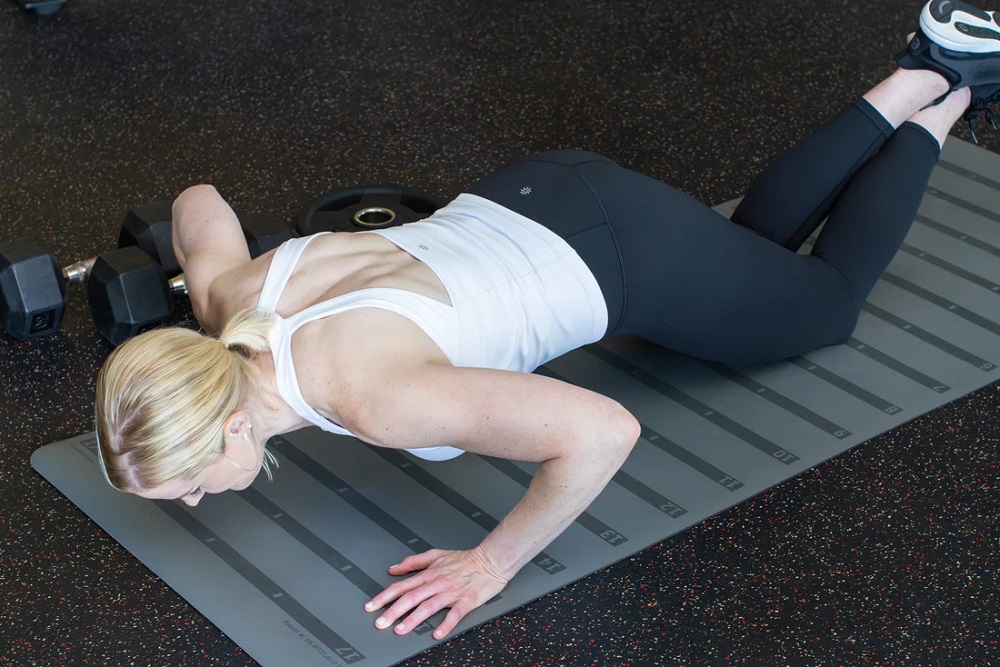
Upper Body Push and Pull Pair: Combine push-ups or dumbbell bench presses with dumbbell rows or lat pulldowns. Perform one set of push-ups, immediately follow it with a set of rows, and then take a brief rest.
-
Lower Body Quad and Hamstring Pair: Combine goblet squats with Romanian deadlifts or kettlebell swings.
-
Core and Shoulder Pair: Combine overhead dumbbell presses with plank holds.
-
Schedule: Perform this full-body sequence three times per week on non-consecutive days, such as Monday, Wednesday, and Friday.
3. Time-Capped AMRAP Workouts
AMRAP stands for As Many Rounds As Possible within a set timeframe. This style of training combines strength and conditioning while keeping you mentally engaged.
-
Structure: Set a timer for 12, 15, or 20 minutes. Select 3 to 4 simple bodyweight or dumbbell exercises. Complete a set number of repetitions for each exercise continuously until the timer expires.
-
Sample Routine (15 Minutes): 10 dumbbell thrusters, 10 push-ups, 15 kettlebell swings, and 30 seconds of planking.
-
Benefits: AMRAPs eliminate wasted time, build high muscular endurance, and allow you to track performance by measuring how many total rounds you complete over time.
4. Low-Intensity Steady State (LISS) and Active Transportation
High-intensity training should be balanced with low-impact cardio that lowers stress rather than increasing it. LISS involves sustained, low-exertion activity that can be seamlessly integrated into your workday.
-
Walk and Talk Meetings: Take phone calls or virtual audio meetings while walking outdoors or on a treadmill.
-
Active Commuting: Walk, bike, or park further away from your office building to guarantee daily movement.
-
Desk Mobility Breaks: Spend 5 minutes every two hours performing light mobility work, such as hip openers, chest stretches, and bodyweight squats, to counteract prolonged sitting.
Weekly Schedule Framework for Busy Professionals
Consistency requires a clear plan. Here is an example of a realistic, highly sustainable weekly routine that totals less than two and a half hours of exercise for the entire week:
-
Monday: 30-Minute Full-Body Super-Set Strength Routine
-
Tuesday: 15-Minute Morning HIIT Workout
-
Wednesday: Active Recovery (10,000 steps throughout the workday)
-
Thursday: 30-Minute Full-Body Super-Set Strength Routine
-
Friday: 15-Minute AMRAP Bodyweight Circuit
-
Saturday: 45-Minute Outdoor Walk, Jog, or Bike Ride
-
Sunday: Rest and Mobility Work
Overcoming Common Barriers to Fitness Consistency
Even with short routines, workplace demands can derail your plans. Applying a few tactical strategies can keep your fitness habits intact:
-
Schedule Workouts Like Client Meetings: Place your workout sessions directly onto your work calendar as non-negotiable appointments. Treat them with the same respect as a high-stakes business meeting.
-
Keep Minimal Equipment at Home: Owning a set of adjustable dumbbells, resistance bands, and a kettlebell removes the friction of driving to a gym. You can complete a world-class workout right in your living room or office.
-
Lay Out Gear the Night Before: If you plan to exercise in the morning, set out your workout clothes, water bottle, and sneakers before going to bed to remove decision fatigue.
-
Adopt the All-or-Something Mindset: If a busy schedule forces you to cut a 30-minute workout down to 10 minutes, do the 10 minutes. Doing a shortened workout maintains the behavioral habit and keeps your momentum alive.
Frequently Asked Questions
Is a 15-minute workout really enough to stay fit and healthy?
Yes, a 15-minute workout can be highly effective if the intensity and exercise selection are optimized. High-intensity interval training or dense bodyweight circuits elevate your heart rate, stimulate muscle tissue, and improve metabolic health far better than remaining sedentary. The key is maintaining high effort and minimizing rest periods during those 15 minutes.
How can I stay motivated to exercise after a long, exhausting workday?
Relying on motivation after a mentally draining workday is difficult. Instead, reduce friction by shifting your workout to the morning before work demands accumulate. If evening workouts are your only option, change into your exercise clothes before leaving the office or immediately upon arriving home, avoiding the temptation to sit down on the couch first.
How do I prevent muscle loss if I cannot lift heavy weights for hours?
Muscle retention depends on challenging your muscle fibers and consuming adequate daily protein. You can effectively stimulate muscle growth in short, 30-minute sessions by using challenging weights, slowing down your repetition tempo, increasing your training volume through super-sets, or taking sets close to muscular failure.
Should I prioritize cardio or strength training if my time is extremely limited?
If forced to choose, prioritize resistance training. Strength training builds lean muscle mass, increases resting metabolic rate, strengthens bones, and improves posture damaged by desk work. You can easily incorporate cardiovascular benefits into a strength routine by using short rest intervals, super-sets, or kettlebell circuits.
How can I manage workout recovery when my job causes high stress and sleep deprivation?
When life stress is high and sleep is limited, avoid pushing through brutal, high-intensity workouts that further elevate stress hormones. Swap intense HIIT sessions for restorative activities like brisk walking, yoga, mobility work, or moderate resistance training. Prioritize hydration, balanced nutrition, and consistent sleep hygiene to assist recovery.
What are the best exercises to counteract the physical effects of sitting all day at a desk?
To offset prolonged sitting, focus on exercises that target the posterior chain and open up tight anterior muscles. Key movements include glute bridges, chest openers, face pulls, deadlifts, thoracic spine rotations, and hip flexor stretches. These exercises strengthen the upper back, open the hips, and reinforce healthy posture.

Comments are closed.