

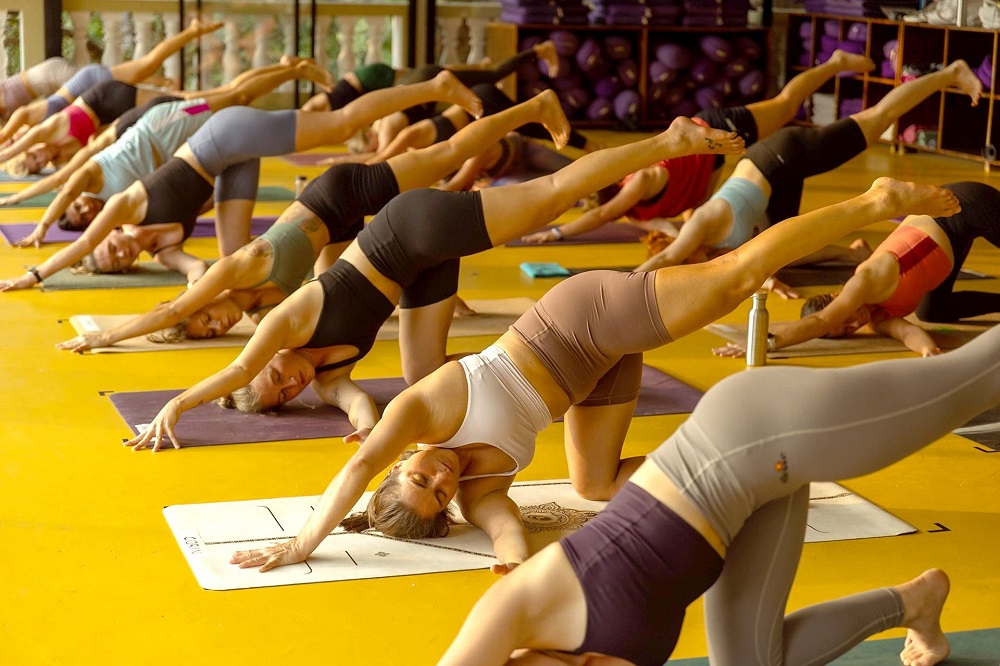
The global wellness landscape has undergone a profound structural shift over the past several years. Traditional brick-and-mortar studios, which once held an exclusive monopoly on guided fitness and mindfulness practices, have adapted to meet changing consumer habits. The convergence of high-speed internet, smart streaming devices, interactive video software, and sophisticated studio management platforms has given rise to a dynamic new paradigm: hybrid yoga.
Hybrid yoga classes combine physical, in-studio attendance with real-time digital streaming and on-demand virtual access. This dual-delivery model allows practitioners to choose how, where, and when they roll out their mats without sacrificing the guidance of their preferred instructors or the supportive energy of their community. As digital convenience becomes an essential expectation rather than a luxury, hybrid yoga has positioned itself as the standard operational model for the modern fitness industry.
Defining the Hybrid Yoga Model
To understand the growing popularity of hybrid yoga, it is necessary to examine how the system operates in practice. Unlike purely virtual platforms that rely on pre-recorded videos or isolated digital live streams, a true hybrid class bridges the physical and virtual worlds simultaneously.
Simultaneous Dual-Stream Instruction
In a typical hybrid setup, a yoga instructor teaches a live class inside a physical studio with in-person students present. Concurrently, high-definition cameras, wide-angle lenses, and wireless microphone systems broadcast the session live to remote participants joining from home, office spaces, or while traveling.
Instructors are trained to engage both audiences seamlessly. They offer verbal alignment cues and physical adjustments for in-person attendees while periodically checking digital display monitors positioned in the room to monitor and encourage online participants.
Integrated On-Demand Libraries
Beyond real-time streaming, hybrid yoga ecosystems almost always include an integrated on-demand digital library. Live sessions are recorded, processed, and uploaded into a secure member portal within hours of completion. This allows members who miss a live session to practice the exact same class later at their own convenience, building continuity in their practice.
Key Drivers Behind the Growth of Hybrid Yoga
The rapid adoption of hybrid yoga is driven by shifting lifestyle preferences, advancements in audio-visual technology, and evolving business strategies within the wellness economy.
Unparalleled Flexibility for Modern Schedules
The modern workforce prioritizes flexibility, remote work opportunities, and time-efficiency. Traditional studio attendance often requires significant logistical planning, including commuting through traffic, securing parking, and arriving early to claim space in a crowded room. For busy professionals, parents, and frequent travelers, these logistical hurdles often lead to missed practices.
Hybrid yoga eliminates these friction points. On days when time is tight, a student can join a live studio session from their living room in seconds, avoiding the commute entirely. On days when their schedule allows, they can visit the physical studio to experience face-to-face community interaction.
Broader Geographic Reach for Instructors and Studios
Historically, a boutique yoga studio’s customer base was strictly limited to individuals residing or working within a three-to-five-mile radius. High overhead costs and physical space limitations naturally capped revenue potential.
Hybrid models remove these geographic boundaries. A studio located in a major urban center can easily host students from small rural towns, neighboring states, or different continents. This expanded reach allows boutique studios to build global brand recognition while maximizing earning potential without needing to expand their physical footprint.
Improved Financial Sustainability for Practitioners
Boutique yoga studios often charge premium prices for monthly unlimited memberships or single drop-in passes. For budget-conscious practitioners, these costs can become prohibitive over time.
Hybrid membership tiers typically offer lower pricing options for students who prefer a mix of digital and in-person access compared to traditional, unlimited in-person passes. This price tiering makes high-quality instruction accessible to a wider demographic while providing studios with predictable, recurring subscription revenue.
Technological Innovations Powering the Hybrid Experience
The success of a hybrid yoga program depends heavily on the technology supporting it. Glitchy video feeds, muffled audio, or poor lighting can quickly ruin the meditative experience essential to a yoga practice. Studios invest in specialized infrastructure to deliver a seamless experience.
Advanced Audio-Visual Hardware
Modern hybrid studios utilize multi-directional noise-canceling microphones that isolate the instructor’s voice while filtering out ambient studio noise, air conditioning hums, or street traffic. High-definition cameras equipped with auto-tracking features automatically follow the instructor as they move across the room, ensuring remote viewers never lose sight of proper demonstration alignment.
Dedicated Management and Streaming Platforms
Specialized software management systems handle member scheduling, automated stream link generation, payment processing, and digital content hosting within a single dashboard. These platforms integrate directly with popular video streaming tools, allowing online attendees to log in with a single click while automatically tracking attendance data for studio analytics.
Overcoming Challenges in the Hybrid Environment
While hybrid yoga offers clear benefits, running a successful hybrid platform presents unique challenges for studio owners and instructors.
Balancing Attention Between Two Audiences
One of the hardest skills for a hybrid yoga instructor to master is split attention. Instructors must deliver warm, personal physical adjustments and eye contact to students in the room while simultaneously looking into camera lenses, calling out online participants by name, and providing clear verbal cues for those practicing without physical corrections.
Technical Glitches and Connectivity Issues
Virtual streaming remains vulnerable to unexpected technical disruptions, including internet outages, bandwidth drops, or hardware malfunctions. Studios must maintain reliable backup internet connections and designate staff members to handle real-time chat support for remote users experiencing login or audio issues during class.
Frequently Asked Questions
Do I need expensive equipment to participate in a hybrid yoga class from home?
No, you do not need specialized or expensive equipment to attend a hybrid class from home. A basic internet connection, a laptop, tablet, or smart television, a standard yoga mat, and a quiet space are all that you need. While external webcams or Bluetooth headphones can enhance your personal experience, they are entirely optional.
How do instructors correct my alignment if I am attending virtually?
Instructors monitor virtual participants using large display screens set up in the studio. If your camera is turned on and positioned to show your entire body on the mat, the instructor can offer real-time verbal corrections and alignment cues specifically addressed to you during the live session.
What is the main difference between a hybrid yoga class and a pre-recorded video platform?
A hybrid yoga class offers a live, interactive connection to a real-time studio environment where the instructor and fellow students are actively practicing together. In contrast, pre-recorded video platforms offer static content with zero real-time interaction, personalized feedback, or community engagement.
Will my privacy be preserved if I attend a hybrid class in person at the studio?
Yes, studios prioritize privacy. In-person hybrid setups position cameras to focus almost exclusively on the instructor’s mat and teaching area. In-person participants are generally kept out of the camera’s field of view, or designated camera-free zones are established within the room for students who prefer complete privacy.
Are hybrid yoga classes suitable for absolute beginners?
Hybrid yoga classes are very suitable for beginners, especially those who feel self-conscious or anxious about visiting a physical studio for the first time. Attending virtually allows beginners to learn basic poses, build physical confidence, and familiarize themselves with the instructor’s teaching style from the comfort of home before attending an in-person session.
How can studio owners prevent virtual burnout among their teaching staff?
Studio owners can prevent instructor burnout by providing thorough training on hybrid technology, hiring technical assistants to manage video streams during class, and offering balanced schedules that alternate between pure in-person, purely virtual, and hybrid teaching slots.
Can I interact with other students if I attend a hybrid class virtually?
Yes, many hybrid streaming platforms include built-in live chat features that open several minutes before and after class. This allows virtual attendees to chat with each other, ask the instructor questions, and participate in community discussions alongside in-person participants.

Comments are closed.